

DESIGNING EVENTS FOR NEURODIVERGENT AUDIENCES
Neurodivergent exclusion at events is rarely intentional, but it is built into how intensity, space, and communication are planned.

Nika Brunet Milunovic (Calm Nest Collective, UK)

EXECUTIVE SUMMARY
· Many event environments unintentionally exclude neurodivergent people by privileging intensity, speed, and overstimulation as default design norms.
· Sensory-considerate design reframes inclusion as a proactive design responsibility rather than a reactive accommodation.
· Small, low-cost interventions, such as calm zones, predictable communication, and sensory-aware production, can deliver disproportionate inclusion benefits.
· Co-designing events with neurodivergent individuals transforms accessibility from policy aspiration into practical reality.
· Sensory inclusion is not a niche concern but a pathway to more ethical, sustainable, and engaging events for everyone.
WHY SENSORY-CONSIDERATE DESIGN CAN NO LONGER BE OPTIONAL
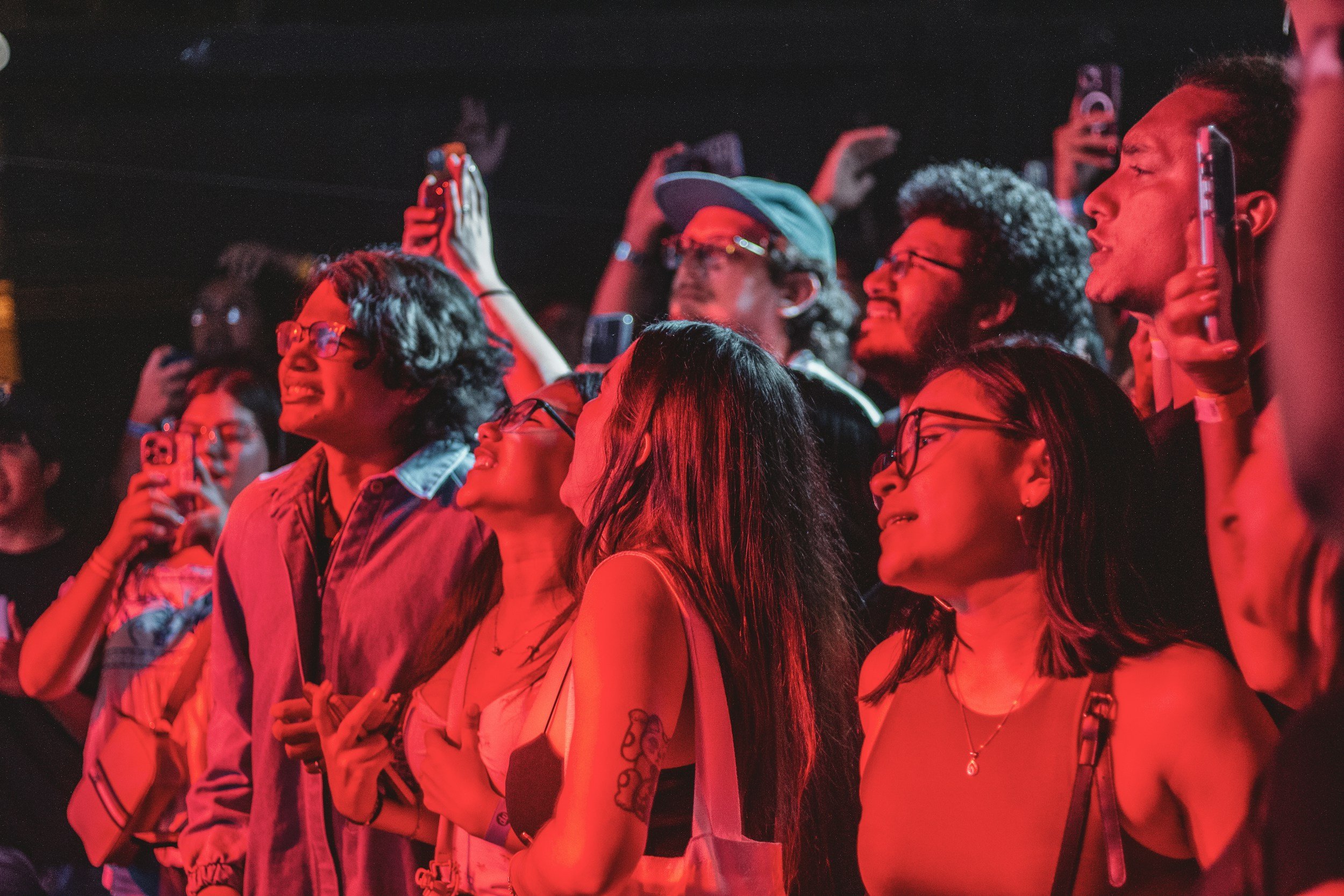
A live event is often judged by its energy: the volume of the music, the density of the crowd, the pace of the programme, the constant movement behind the scenes. Intensity is frequently treated as a proxy for success. Yet for a growing proportion of people, that same intensity is not exhilarating but overwhelming. What is marketed as immersion can quickly become exclusion.
Event environments are rarely neutral. They are carefully designed systems that privilege certain sensory and cognitive experiences over others. Loud soundscapes, flashing lights, compressed schedules, informal networking, and rapid-fire communication have become the default language of live events. These norms are rarely questioned because they work well for many. But they also quietly signal who belongs and who does not.
For neurodivergent individuals, particularly those with heightened sensory sensitivities or non-linear processing and communication styles, these environments can be exhausting, distressing, or simply inaccessible. This is true not only for audiences, but also for crew members, volunteers, freelancers, and coordinators expected to function within high-pressure, overstimulating conditions for extended periods. The result is not just discomfort in the moment, but cumulative harm: anxiety, withdrawal, burnout, and, in some cases, exit from the sector altogether.
This raises an uncomfortable but necessary question for event leaders: what kinds of bodies, minds, and nervous systems are today’s events actually designed for? And what talent, creativity, and participation might be lost as a result of those design choices?
“What the industry celebrates as energy, many experience as overload: when intensity becomes the measure of success, events quietly decide who can participate — and who is pushed out.”
THE PROBLEM AND/OR OPPORTUNITY
The problem is not a lack of goodwill. Many event organisations now recognise the importance of diversity and inclusion. However, inclusion is still too often framed narrowly, focused on physical access, compliance, or post-hoc accommodations, rather than on the sensory and psychological conditions that shape how people experience events in practice.
Sensory-considerate design offers a clear opportunity to rethink this approach. It starts from the premise that people experience environments differently and that those differences should be anticipated, not managed as exceptions.
Rather than asking individuals to adapt themselves to overwhelming settings, sensory-considerate events adapt the environment to support a wider range of needs.
This is not about diluting the live experience or removing moments of intensity. It is about introducing choice, predictability, and recovery into environments that currently demand constant endurance. Done well, this expands participation while improving the experience for everyone.
This issue has become more urgent for three reasons. First, awareness of neurodiversity is growing rapidly, both within society and within the creative industries. More people are identifying as neurodivergent and speaking openly about the barriers they face. Silence is no longer the norm.
Second, the events workforce is under strain. Long hours, precarious employment, and high-pressure delivery models have led to widespread burnout. Designing environments that support nervous system regulation is no longer a wellbeing “extra”; it is a sustainability issue for the sector.
WHY DOES THIS MATTER NOW?
Third, expectations of ethical practice are rising. Audiences, funders, and policymakers increasingly expect events to demonstrate social value, not just economic impact. Sensory-considerate design sits at the intersection of accessibility, wellbeing, and ethical leadership, making it a strategic concern, not a niche one.
Much existing work on accessibility in events focuses on physical access or visible disability. While vital, this lens can overlook sensory and cognitive experiences that are less immediately apparent but equally consequential. Similarly, inclusion initiatives often rely on individual disclosure and adjustment, placing the burden on neurodivergent people to ask for support in environments that may already feel unsafe.
HOW DOES THIS ADD TO WHAT WE ALREADY KNOW?
This article challenges that logic. Drawing on qualitative research, lived experience, and field practice, it reframes sensory inclusion as a design responsibility rather than an individual accommodation. It also challenges the idea that high-intensity environments are inherently more engaging or productive. Instead, it suggests that regulation, clarity, and recovery are foundational to meaningful participation and creativity.
The argument is informed by interdisciplinary research on neurodiversity, sensory processing, and minority stress, alongside qualitative insights from neurodivergent professionals working within the events sector. It is also shaped by principles from social work, particularly the emphasis on emotional safety, dignity, and systemic responsibility for reducing harm.
WHAT IDEAS DRIVE THIS ARTICLE?
Rather than proposing abstract ideals, the article focuses on practical, design-led interventions that can be embedded into event planning and delivery. These range from spatial design and communication practices to staff training and co-design processes. Together, they form a sensory-considerate framework that moves inclusion from the margins to the foundations of event design.
“Inclusion is not achieved through statements of intent but through design: when events are planned around emotional safety and sensory dignity, accessibility shifts from accommodation to foundation.”
Key Arguments
-
Many of the barriers neurodivergent people face at events are often described as unavoidable side effects of live experiences. Noise, crowds, lighting, and time pressure are treated as the natural price of participation. Yet closer examination reveals that these conditions are not accidental. They are the result of cumulative design decisions, about programming, space, communication, and priorities, that privilege speed and intensity over regulation and recovery.
Auditory overload is a clear example. Constant high-decibel music, overlapping announcements, and poor acoustic planning are common not only in front-of-house environments but also backstage, where crew members are expected to process instructions rapidly while navigating noise-heavy settings. For individuals with heightened auditory sensitivity, this creates cognitive fatigue long before a task is completed. Similar patterns appear with lighting choices: strobing effects, harsh fluorescents, or low-light environments without clear visual cues may enhance atmosphere for some, while triggering migraines, anxiety, or disorientation for others.
Crowding and spatial unpredictability further compound these effects. In many events, wayfinding is treated as an afterthought, relying on assumed familiarity or informal knowledge. For people with sensory integration differences, unclear routes and sudden crowd surges can turn simple navigation into a source of stress. These experiences are not marginal; they shape whether people can remain present, engaged, and safe.
The key insight is this: exclusion is often embedded in design long before an event opens its doors. Recognising this shifts responsibility away from individuals “coping” better and toward organisers designing environments that anticipate sensory diversity as a normal condition of public life.
-
Current event cultures often reward endurance. Long days, ambiguous schedules, rapid decision-making, and constant social interaction are framed as markers of professionalism and commitment. While challenging for many, these conditions are particularly harmful for neurodivergent individuals, who may rely on routine, clarity, and sensory regulation to function well.
In response, many engage in masking, the suppression of natural behaviours, communication styles, or regulation strategies to appear “normal” in high-stimulation environments. Masking may enable short-term participation, but research consistently links it to long-term anxiety, burnout, and psychological distress. Over time, individuals either withdraw from opportunities or leave the sector entirely, resulting in a silent loss of talent and perspective.
This dynamic reveals a structural problem. When inclusion depends on how well someone can tolerate discomfort, it is not inclusion at all. It is conditional participation. Sensory-considerate design challenges this norm by shifting the focus from resilience to sustainability. It asks not how much people can endure, but what conditions allow them to contribute fully without harm.
Importantly, this is not about lowering standards or reducing ambition. It is about recognising that creative, collaborative work thrives when people are not constantly regulating distress. Events that support nervous system regulation create the conditions for better decision-making, stronger relationships, and more sustained engagement across all participants.
-
One of the most persistent myths surrounding inclusive design is that it requires significant cost or structural overhaul. In practice, many of the most effective sensory-considerate interventions are modest, low-cost, and immediately actionable.
The provision of calm or quiet zones illustrates this well. A dedicated low-stimulation space, designed with soft lighting, sound absorption, comfortable seating, and clear behavioural expectations, can function as a nervous system reset point. Evidence from inclusive workplace research shows that even brief access to such spaces significantly reduces stress and improves task performance. In event contexts, these zones enable both attendees and crew to self-regulate and return to engagement rather than withdrawing completely.
Similarly, predictable communication practices can dramatically reduce anxiety. Providing schedules in advance, using plain language, incorporating visual icons or colour coding, and communicating changes through multiple channels all enhance a sense of control. Predictability does not remove flexibility; it creates the conditions under which flexibility is manageable.
Sensory aids, such as earplugs, sunglasses, or weighted items, offer another example. Their presence signals that varied sensory thresholds are anticipated rather than exceptional. Together, these interventions reduce cumulative overstimulation and demonstrate that inclusion is not a symbolic gesture but a practical design choice.
-
Inclusive environments do not emerge through intention alone. They require skill, awareness, and shared understanding across teams. Staff training is therefore a critical, and often overlooked, component of sensory-considerate event design.
Training in neuroinclusion equips staff to recognise signs of sensory distress, respond discreetly and respectfully, and understand non-traditional communication styles. This is particularly important in frontline roles, where a single interaction can determine whether someone feels supported or singled out. Studies in hospitality and service settings consistently show that basic neurodiversity training improves overall guest satisfaction, not only for neurodivergent individuals.
Crucially, this training should move beyond checklists. It should foster empathy, reduce stigma, and challenge assumptions about what “professional” behaviour looks like. When staff understand that avoidance of eye contact, reduced verbal communication, or the need for breaks are not signs of disengagement, the environment becomes safer for everyone.
In this sense, neuroinclusion is an organisational capability. It reflects how well an event can adapt to difference in real time, rather than forcing difference to disappear.
-
Perhaps the most powerful shift in sensory-considerate design comes from rethinking who gets to shape event environments in the first place. Inclusion cannot be effectively designed for people without their involvement. It must be designed with them.
Co-design involves engaging neurodivergent individuals throughout the planning process: participating in site walkthroughs, reviewing sensory elements, testing materials, and shaping communication tools. This moves inclusion upstream, where decisions have the greatest impact, rather than relying on feedback after harm has occurred.
Beyond improving design quality, co-design alters power dynamics. It signals respect for lived experience as a form of expertise. It also surfaces assumptions that may otherwise go unchallenged, revealing barriers that are invisible to those who do not encounter them.
Importantly, co-design is not merely consultative. It is collaborative. When neurodivergent voices are meaningfully involved, inclusion becomes embedded in culture rather than added as a layer. The result is not only more accessible events, but more innovative ones, shaped by perspectives that have too often been excluded.
CONCLUSIONS
Sensory-considerate event design is often framed as a specialist concern, relevant only to a small subset of participants. In reality, it exposes a much deeper question about what the events industry values and whom it is designed to serve. When environments demand constant endurance, ambiguity, and overstimulation, they reward only those who can tolerate discomfort without visible cost. That is not neutrality. It is a cultural choice.
This article has argued that sensory overload is not an inevitable feature of live events but the outcome of accumulated design decisions. By rethinking how sound, light, space, communication, and social expectations are configured, organisers can shift from reactive accommodation to proactive access. The result is not a diluted experience, but a more intentional one, where intensity is balanced with recovery, and energy with care.
Crucially, sensory-considerate design moves inclusion beyond compliance. It recognises emotional and psychological safety as integral to participation, creativity, and long-term wellbeing. For neurodivergent individuals, this can mean the difference between coping and thriving. For the sector as a whole, it offers a pathway toward more sustainable working practices, stronger engagement, and broader participation.
Ultimately, this is about culture change. When environments are designed to work with, rather than against, diverse nervous systems, events become spaces where difference is anticipated and supported, not managed as a problem. In doing so, the industry has an opportunity to redefine excellence, shifting from endurance-based models toward ones grounded in dignity, care, and shared human experience.
““Sensory overload is not the price of live experience but the product of design; when events are built for endurance, participation narrows, but when they are built for care, people do not merely cope — they contribute and thrive.”
PRACTICAL ACTIONS
For sensory-considerate design to move from principle to practice, it must be embedded across the event lifecycle. The following actions translate the ideas discussed into concrete steps that can be adapted across scales and contexts.
· Reframe inclusion as a design responsibility
Treat sensory inclusion as a core planning consideration, not an add-on. This means addressing sensory impacts at the same stage as crowd flow, safety, and programming decisions, rather than responding only when issues arise.
· Build calm and restorative spaces into every event
Allocate and resource low-stimulation zones with clear signage, sound control, soft lighting, and comfortable seating. These spaces should be accessible to both audiences and staff and framed as normal features, not emergency interventions.
· Design for predictability without rigidity
Share schedules, site maps, and access information well in advance using plain language and visual cues. Where change is likely, communicate this openly and through multiple channels so participants can prepare and self-regulate.
· Adopt sensory-aware production standards
Review lighting, sound, scent, and spatial layouts with sensory impact in mind. Small adjustments, such as reducing unnecessary announcements, avoiding harsh lighting in workspaces, or zoning high- and low-stimulation areas, can significantly reduce cumulative overload.
· Invest in neuroinclusion training
Equip staff and volunteers with the skills to recognise sensory distress, respond respectfully, and understand diverse communication styles. Training should emphasise empathy, discretion, and flexibility rather than rigid protocols.
· Co-design with neurodivergent expertise
Involve neurodivergent individuals in planning, testing, and review processes. Compensate this expertise appropriately and integrate it early, where it can shape decisions rather than retrospectively critique them.
· Embed accountability at leadership level
Assign clear responsibility for sensory inclusion within teams. For policymakers and funders, this can include setting expectations, providing guidance, and recognising sensory-considerate design as a marker of quality and social value.
Together, these actions reposition inclusion as an enabler of better events rather than a constraint on creativity or efficiency.
IMPLEMENTATION CHALLENGES
Implementing sensory-considerate design is not without challenges. Resource constraints, time pressure, and entrenched cultural norms can limit what feels feasible, particularly in fast-moving or commercially driven contexts. There is also a risk of oversimplification, assuming that one set of sensory adjustments will meet all needs, when neurodivergent experiences are highly diverse and sometimes conflicting.
Co-design processes require trust, time, and a willingness to share power, which may challenge traditional hierarchies. Staff training must be ongoing rather than tokenistic to avoid reducing neuroinclusion to a checklist exercise. Finally, measuring the impact of sensory interventions can be complex, as success often manifests in reduced distress or sustained participation rather than easily quantifiable outcomes.
Acknowledging these tensions is essential. Sensory-considerate design is not a fixed solution but an evolving practice, one that requires reflection, adaptation, and commitment over time.
IMPACT OF CALM NEST COLLECTIVE WORK ON INDIVIDUALS
“Stepping into the space created by Calm Nest Collective was like entering a sanctuary of mindfulness and intention. Every detail radiated a sense of calm and purpose. it was an experience that fostered connection, creativity, and a deep sense of presence and left an lasting impact on my way of participating in the event.”
Neža Brezovnik, Conventa
“I recently visited the CalmNest at Conventa 2025, and it was such a great experience. It was the perfect spot to take a break from all the hustle and bustle of the event. As soon as I stepped in, I felt instantly more relaxed. The dark and quiet setup was just right for unwinding and recharging. I’d recommend it to anyone who needs a moment to breathe during a busy event. I’ll definitely look out for it again!”
Philip Weidenhiller, Eventus
“You don’t have to be super sensitive to feel overwhelmed at a trade fair, entering a big conference or just any room filled with strangers, being exposed to numerous stimuli, that are competing to catch your attention.
What if a one of the trade fair booths would offer – lets say an oasis of calmness and peace? A retreat for the nerves, where the rules of the fair ground are set upside down: no unwanted approaches, not attention grabbing, just you, a decent cup of tea and the chance for a some minutes of reflection, detox and mindfulness?
Thank you, for the proof of concept!”
Anne Seubert, Brands & Places
“Visiting the sensory room at Calm Nest Collective during Conventa 2025 was a truly unique experience. Amid the energetic and somewhat chaotic atmosphere of the event, stepping into a space with soothing sounds, soft seating, and dimmed lights felt incredibly therapeutic. It provided a much-needed moment of calm, helping me reset and recharge from the overstimulation.”
Aleksandra Petrovska, Conventa
“For the first time, I discovered that even in a dynamic business environment, full of noise and fast-paced action, there can be a space for retreat and inner peace. The moment I stepped into your oasis of calm, I immediately felt a sense of calm, connection with myself and mental clarity. This brief escape allowed me to reflect on events, interactions and business opportunities from a different perspective and embrace them with greater wisdom.
Every company should have a space like this, as it encourages thoughtful decision-making even in a fast-paced work environment. I see a short retreat as a valuable opportunity to reach a new state of awareness that leads to wiser solutions and more deliberate actions.”
Maja Koželj, Sava Re, d.d.
AUTHOR(S)
Nika Brunet Milunovic, Founder, Event Sustainability & Wellbeing Advocate, Neuroinclusion Pioneer, Calm Nest Collective LTD
With over 11 years in the international events industry, 7 years in corporate environments, and a foundation in social work, I've dedicated my career to creating people-first experiences that prioritize purpose, inclusion, and wellbeing. Holding an MBA and a PhD in Psychology focused on mental health within the events industry, I'm currently pursuing a second PhD on neuroinclusion to deepen research-driven solutions for sensory-sensitive spaces.
Before founding Calm Nest Collective, I managed complex systems in multinational corporations, where I saw firsthand the gaps in employee wellbeing, true inclusion, and sustainability, gaps that left too many feeling overwhelmed and unseen. This drove me to launch a consultancy and design studio that transforms high-pressure environments into supportive ones. As a certified Mental Health First Aider and Nature Based Therapy practitioner, I blend academic insight, practical expertise, and empathy to advocate for events that heal rather than harm.
At Calm Nest Collective, we design sensory-friendly events, workplaces, and public venues that balance planet, people, and purpose. Our flagship Calm Nest Space delivers quiet rooms equipped for neurodivergent needs and mental wellbeing resets, essential in music festivals, conferences, trade shows, or offices. These aren't optional lounges; they're bold statements of authentic care, reducing burnout and boosting engagement for all.
Through keynote speaking, founder mentoring, industry consulting, and my Pink Nest podcast, I'm championing a shift: events that empower rather than exhaust, where accessibility, neuroinclusion, and sustainability form the foundation.
Links : https://calmnestcollective.com
Disclaimer
The views and insights expressed in this article are those of the author(s) and reflect their research and professional expertise. They do not represent the views of the Centre for Events & Festivals CIC or its partners.